From 9 November 2026, new ChatGPT Ads campaigns aim at an average Target CPA or Target CPC instead of a hard Max Bid or Max CPC, and the old caps retire on 1 January 2027.
Cost targets replace the hard bid caps
OpenAI is changing how ChatGPT Ads campaigns bid. Search Engine Roundtable reported the move on 5 November 2026 after OpenAI emailed advertisers, and OpenAI's own help center now documents it. From Monday 9 November 2026, new campaigns set an average cost goal rather than a per-auction cap.
New conversion campaigns use Target CPA, an average cost-per-conversion goal, in place of Max Bid. New click campaigns use Target CPC in place of Max CPC. The mechanics differ in a way worth understanding: Max CPC capped every individual bid at the figure you set, while Target CPC lets OpenAI's system bid above or below your target in each auction, chasing the most clicks your budget allows at that average cost. Target CPA works the same way against a cost-per-conversion goal. A target guides the average, and your actual average can land above or below it, because some conversions cost more and some cost less.
The automated bidding option once called "Maximize results" is now labelled "intelligent bidding," part of OpenAI's wider push to make automation the default. This is a paid-lane change. It does not touch how ChatGPT picks which sites to cite in its organic answers, a separate question of showing up inside ChatGPT that no bid setting controls.
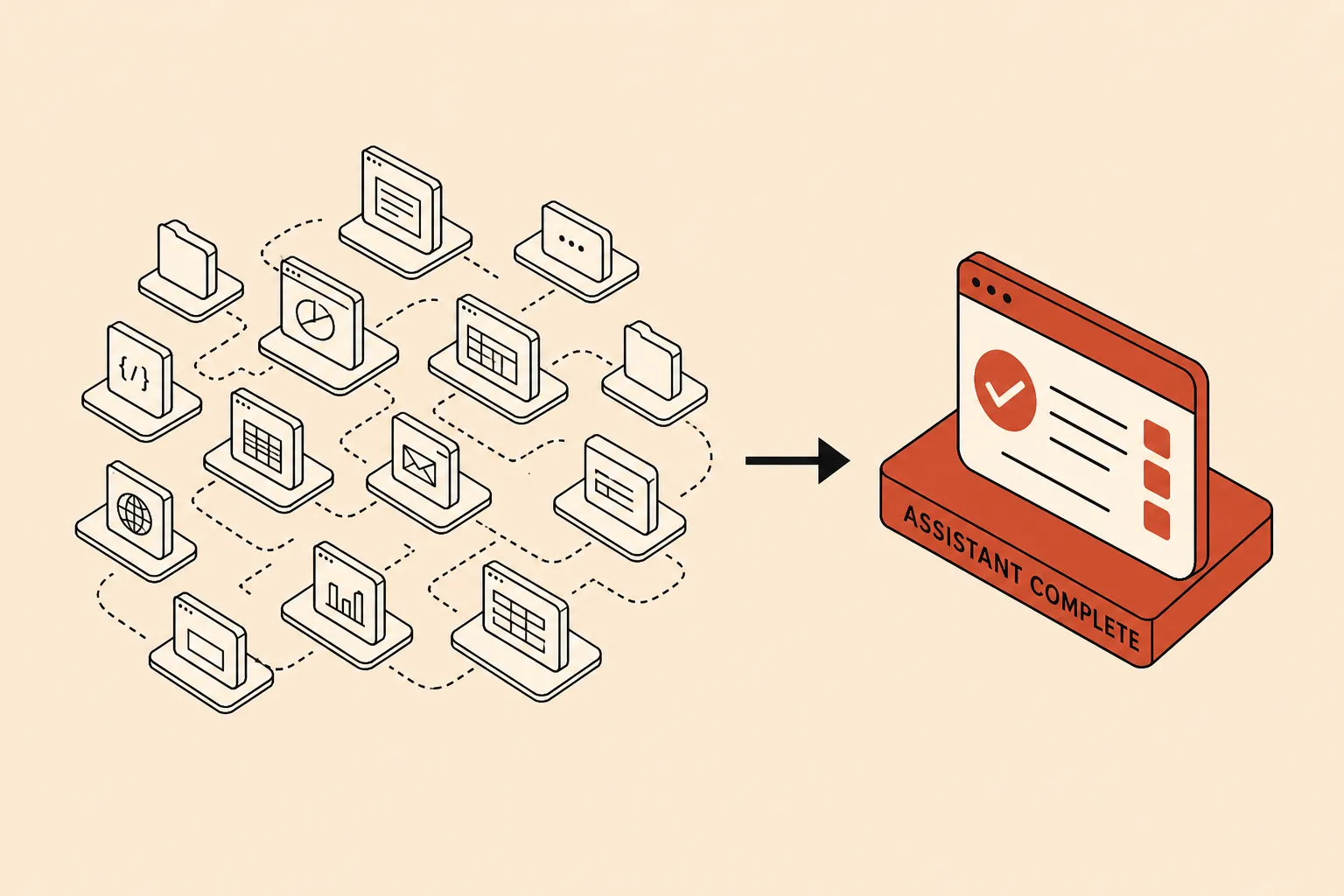
Existing campaigns are not forced to switch straight away. Max Bid and Max CPC keep running until you change them, or until 1 January 2027, when OpenAI retires both and moves any remaining conversion campaigns to Target CPA and any remaining click campaigns to Target CPC. If you run campaigns through a partner integration, OpenAI recommends the new Target CPA and Target CPC API fields from 18 November 2026.
A realistic target is now the lever that matters
With a hard cap, the bid you typed was the control. Now the control point moves to the target you set, and the system decides each individual bid around it. That makes one habit more important: anchor your Target CPA or Target CPC to what a conversion or click has actually cost you recently, not to an aspirational figure.
Set the target too low and the system may not find enough auctions it can win, so budget sits unspent and volume drops. Weak or sparse conversion signals make this harder still, because the system has less to steer toward a cost-per-conversion goal. Set it to a number your recent data supports and automated bidding has room to work.
For a firm that wants to be found through paid answers inside ChatGPT, the practical read is calm. Nothing breaks on 9 November, existing campaigns keep running, and you have until the new year before the old caps disappear. Use the weeks between now and then to check your recent cost per result, pick targets that match it, and watch delivery after you switch. Paid placement buys one lane into AI answers; being cited inside AI answers organically is a separate discipline that rewards different work. If running paid campaigns inside ChatGPT is new ground, it is worth mapping the move with a specialist before the January switchover.
Frequently asked questions
What is changing about ChatGPT Ads bidding in November 2026?
ChatGPT Ads is moving its bidding from hard caps to average cost targets. From 9 November 2026, new conversion campaigns use Target CPA, an average cost-per-conversion goal, instead of Max Bid, and new click campaigns use Target CPC instead of Max CPC. OpenAI documents the change on its help center, and Search Engine Roundtable reported it on 5 November 2026. The automated bidding option formerly called "Maximize results" is now named "intelligent bidding."
What is the difference between Target CPC and the old Max CPC in ChatGPT Ads?
In ChatGPT Ads, Max CPC capped every individual bid at the figure you set. Target CPC, which replaces it for new click campaigns from 9 November 2026, instead lets OpenAI's system bid above or below your target in each auction, aiming to win the most clicks your budget allows at that average cost per click. The target guides the average rather than limiting any single bid.
When do Max Bid and Max CPC retire in ChatGPT Ads?
In ChatGPT Ads, Max Bid and Max CPC retire on 1 January 2027. Until then, existing campaigns keep running under their current strategy, and you can switch them to Target CPA or Target CPC whenever you choose. On 1 January 2027, OpenAI moves any remaining conversion campaigns to Target CPA and any remaining click campaigns to Target CPC automatically.
Is a ChatGPT Ads Target CPA a hard spending cap?
No. A ChatGPT Ads Target CPA is an average cost-per-conversion goal, not a hard spending cap. Your actual average can land above or below the target, because some conversions cost more and some cost less, and the system bids above or below the goal across auctions to pursue results within budget.
What should advertisers do about the ChatGPT Ads bidding change?
For a business using ChatGPT Ads to be found through paid answers, the ChatGPT Ads bidding change is a planning task rather than an emergency. Nothing breaks on 9 November 2026, and existing campaigns keep running until you switch or until 1 January 2027. Use the time to check what a conversion or click has actually cost you recently, set your Target CPA or Target CPC to match that real figure, and watch delivery after the switch so an over-tight target does not leave budget unspent.