Anthropic's new Fable 5.1 holds the price of its top reasoning model flat, then makes the repeat work behind your content and analysis far cheaper to run.
On 1 September 2026 Anthropic released Claude Fable 5.1, an update to its Fable 5 line, confirmed on its own model documentation and in its launch announcement. Input and output prices do not move: they stay at $10 and $50 per million tokens. The number that changed is the cache read, now $0.25 per million tokens, which Anthropic says is 75% cheaper than before. In plain terms, when a task reuses the same background it already sent (a style guide, a matter file, a research base), reading that stored context back costs a quarter of what it used to.
The model is generally available now under the ID `claude-fable-5-1` across the Claude API, Amazon Bedrock, Google Cloud Vertex AI, and Microsoft Foundry (Azure). It reads text and images, handles a 1M-token context with output up to 128K tokens, and has a knowledge cutoff of June 2026. Anthropic positions it for demanding reasoning and long-running agentic tasks such as multistep research and document, spreadsheet, and slide work, and still points most everyday workloads to Claude Opus 5, treating Fable 5.1 as the step up for the hardest jobs. Anthropic also reports gains on its own internal benchmarks; those are the maker's figures, not independent tests, so treat the headline numbers as claims rather than settled results.
What it changes for a firm, and what it does not
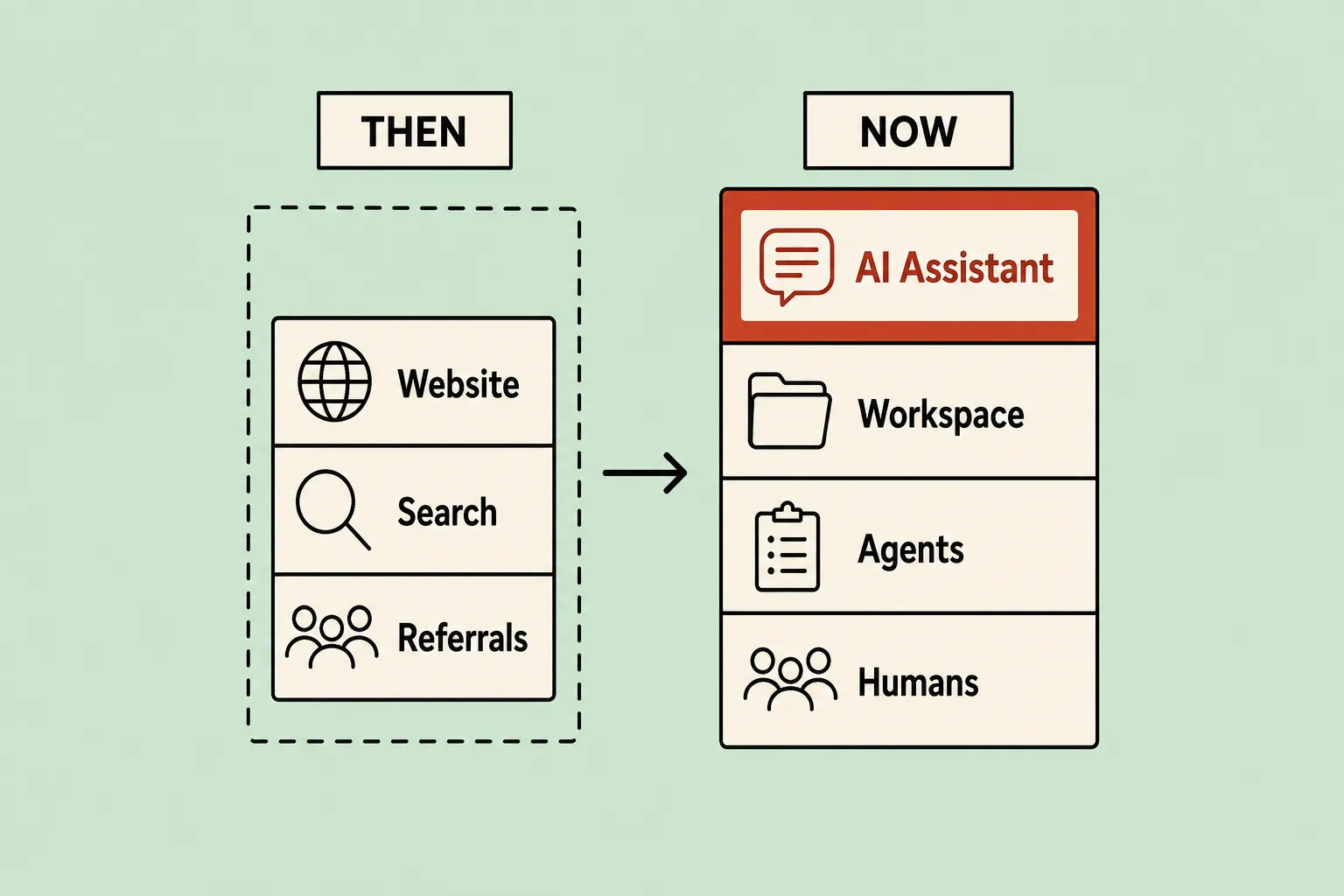
Start with what this is not. It is not a change to how your firm gets found. Claude tends to name and cite fewer sources in consumer search than Google's AI answers or ChatGPT, so a cheaper Claude does little to move how AI assistants cite brands into your favour. If being found in AI answers is the goal, this update is not the lever.
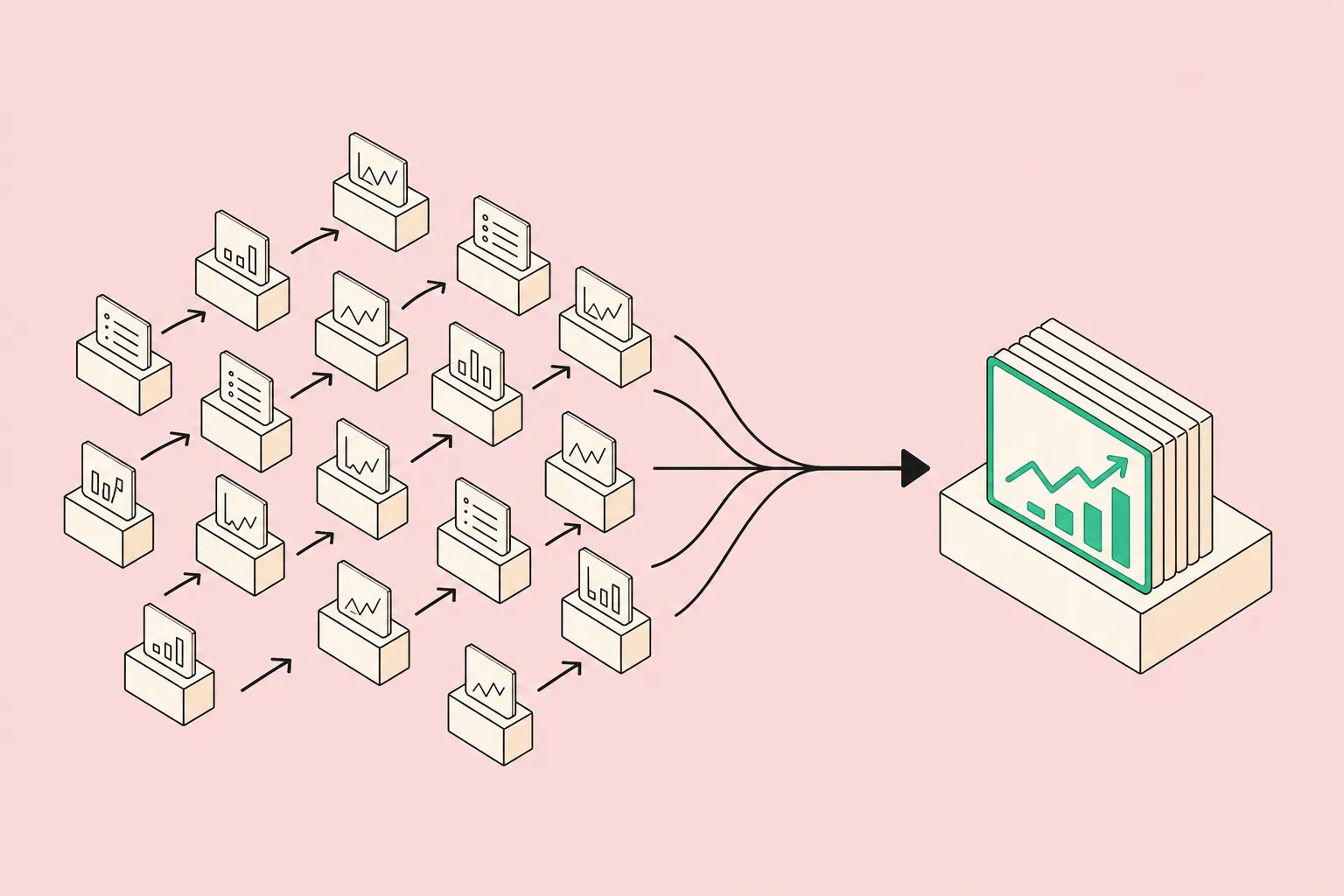
Where it does land is running cost. If your firm, or the agency working for you, already uses Claude to draft, summarise, or analyse, the price of that work falls, and it falls most on anything that reuses a fixed base of context across many prompts. A long client brief, a firm-wide tone document, or a standing knowledge base that gets fed into request after request is exactly the pattern the cheaper cache read rewards. Anthropic estimates the overall effect at roughly 25% less for typical workloads and up to around 45% for highly agentic tasks; those are its own estimates, so read them as a direction of travel rather than a guaranteed invoice line.
There is nothing to action today. If you reach Claude through one of the four platforms above, the lower cache-read price applies when you call the new model. The thing worth guarding is not the cost of production but the judgement a client actually pays for. A cheaper, stronger model lifts how much you can produce; it does not supply the reading of a situation that makes the output worth sending. Firms that treat the saving as room for better-checked, better-aimed content produced at a steady cadence, rather than simply more of it, get the real value. If you want a second view on where AI fits your content and visibility work, that is a conversation worth having.
Frequently asked questions
Do we need to change anything to get the lower price?
No. The cheaper cache read applies when you call the new model, `claude-fable-5-1`, through the Claude API, Amazon Bedrock, Google Cloud Vertex AI, or Microsoft Foundry (Azure). Input and output prices are unchanged at $10 and $50 per million tokens.
Is this about how our firm gets found in AI answers?
Not really. Fable 5.1 is a model for coding, research, and knowledge work, not a search surface. Claude cites fewer sources in consumer search than Google's AI answers or ChatGPT, so this update changes the cost of using Claude, not your visibility in it.
How much will we actually save?
Anthropic estimates about 25% less for typical workloads and up to roughly 45% for highly agentic tasks. Those are the maker's own estimates. The saving is largest when your work reuses the same cached context across many prompts, and smaller when each request starts fresh.
Should Fable 5.1 be our default model?
Anthropic points most everyday workloads to Claude Opus 5 and frames Fable 5.1 as the step up for the hardest reasoning and long-running agentic tasks. If your work is not in that demanding band, the cheaper cache read alone is not a reason to switch.
What is Mythos 5.1?
Anthropic says it is the same model as Fable 5.1 with more permissive safeguards, and access is restricted to vetted professionals through its verification programs, currently US organisations only. For most firms, Fable 5.1 is the version that matters.