A Google core update is a broad, sitewide recalibration of how Google ranks content across every kind of website. Google's description never changes: "a regular update designed to better surface relevant, satisfying content for searchers from all types of sites." The December 2025 core update started on 11 December 2025 and completed on 29 December 2025, making it the longest rollout of the recent run at roughly 18 days.
What changed
The timing is the story here. Search Engine Land (owned by Semrush) reported that the December 2025 core update finished rolling out on 29 December after launching on 11 December, a stretch of about 18 days that ran right across the holiday trading period. It was the third core update of 2025, and it landed after a gap of roughly five months since the June 2025 update, so it carried more pent-up change than a closely spaced rollout would.
The length was widely noted. As PPC Land observed, the December 2025 rollout finally wrapped after 18 days, longer than several updates before it. SEO trackers reported volatility spikes during the run, clustered around 13 December and 20 December, though those readings come from third-party ranking tools rather than from Google. Search Engine Roundtable confirmed the update had completed.
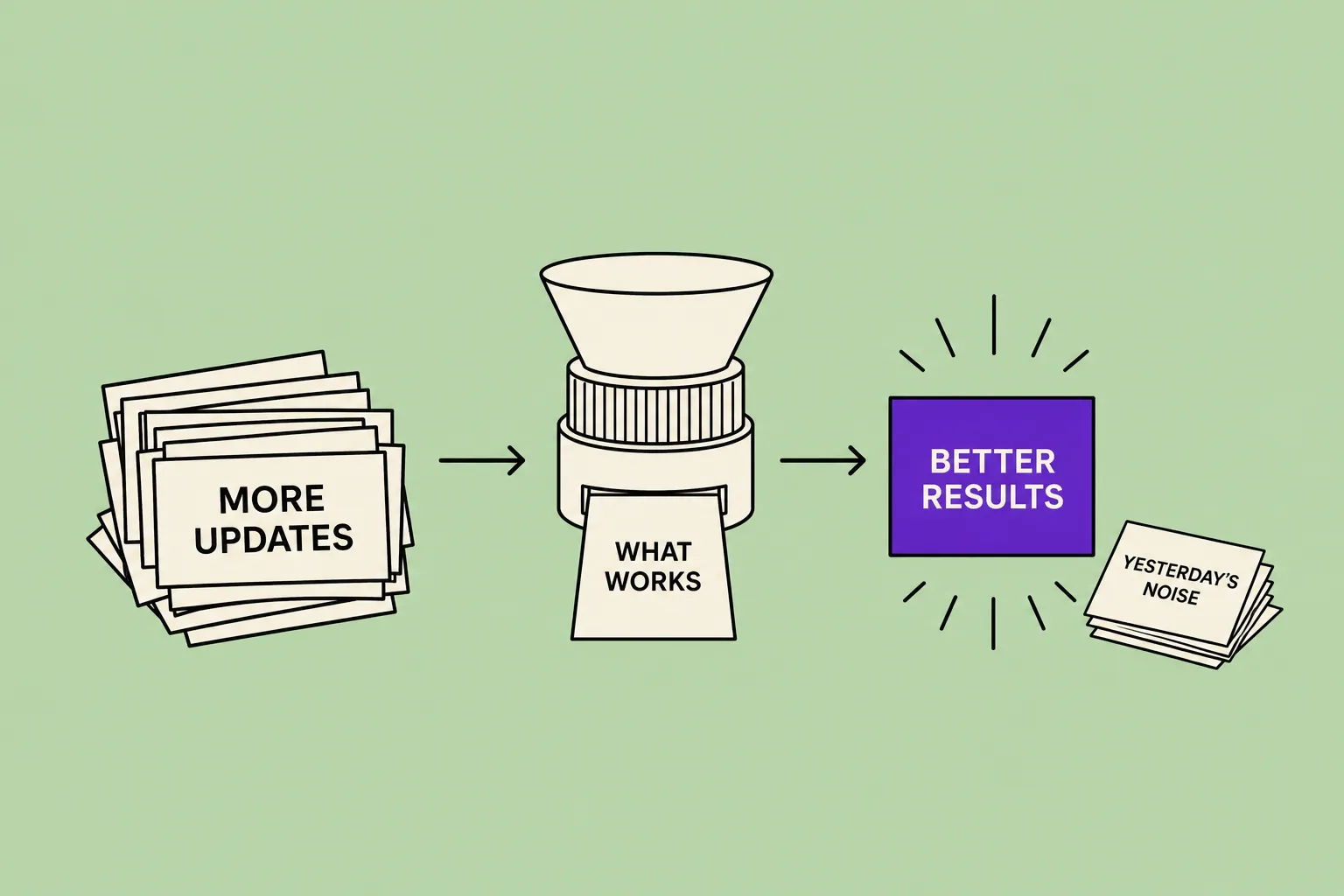
Two features stand out: an unusually long rollout, and a five-month build-up of changes released in one go.
What it means for your firm being found
A long rollout over the December holidays is awkward for professional-services firms in Australia, where the period already brings quieter search demand and skeleton staffing. If your accounting, legal, health or consulting site shifted between mid and late December, it can be hard to separate the update's effect from the normal seasonal dip in enquiries. The five-month gap makes this more pronounced, because a larger accumulation of ranking signals was re-scored at once, so movements were often bigger than firms expected. UK firms faced the same rollout, layered on their own end-of-year slowdown.
The wider point is eligibility. When Google re-scores this much at once, it also refreshes which sites it treats as trustworthy enough to feed AI Overviews and AI answers. For a firm chasing high-value clients, being dropped as a cited source in an AI response can quietly remove you from consideration well before anyone reaches your website. A long, wide-ranging update like this one is exactly the kind that resets both your ranked visibility and your AI-answer eligibility in a single pass.
What to do now
Run a full content audit against the update rather than reacting page by page. Because this rollout was long and followed a five-month gap, a piecemeal look will miss the pattern. Pull your rankings and organic traffic for the 11 to 29 December window, then audit your key service and industry pages as a set: which held, which slipped, and what the winners in your niche now have that you lack. Use the 29 December completion date as a clean line so you are measuring the finished result, not a mid-rollout snapshot. An Amina Website Review and SEO Audit is built for exactly this: a structured, whole-site benchmark after a major update, so you invest effort where the audit shows real erosion rather than guessing across dozens of pages.
FAQ
Why did the December 2025 core update take so long?
It ran about 18 days, from 11 to 29 December, the longest of the recent run. Longer rollouts are not unusual for broad updates, and Google had estimated it could take up to roughly three weeks, so the extended timeline was within expectations.
Was my December traffic drop the update or just the holidays?
It can be both, which is why a baseline matters. Compare your rankings and traffic across the 11 to 29 December window against the same period in prior years, so you can separate the core update's effect from the normal seasonal slowdown.
Why did this update feel bigger than usual?
It was the third core update of 2025 and arrived after a roughly five-month gap since June, so a larger build-up of ranking signals was re-scored at once. That accumulation is why many sites saw more movement than a closely spaced update would produce.