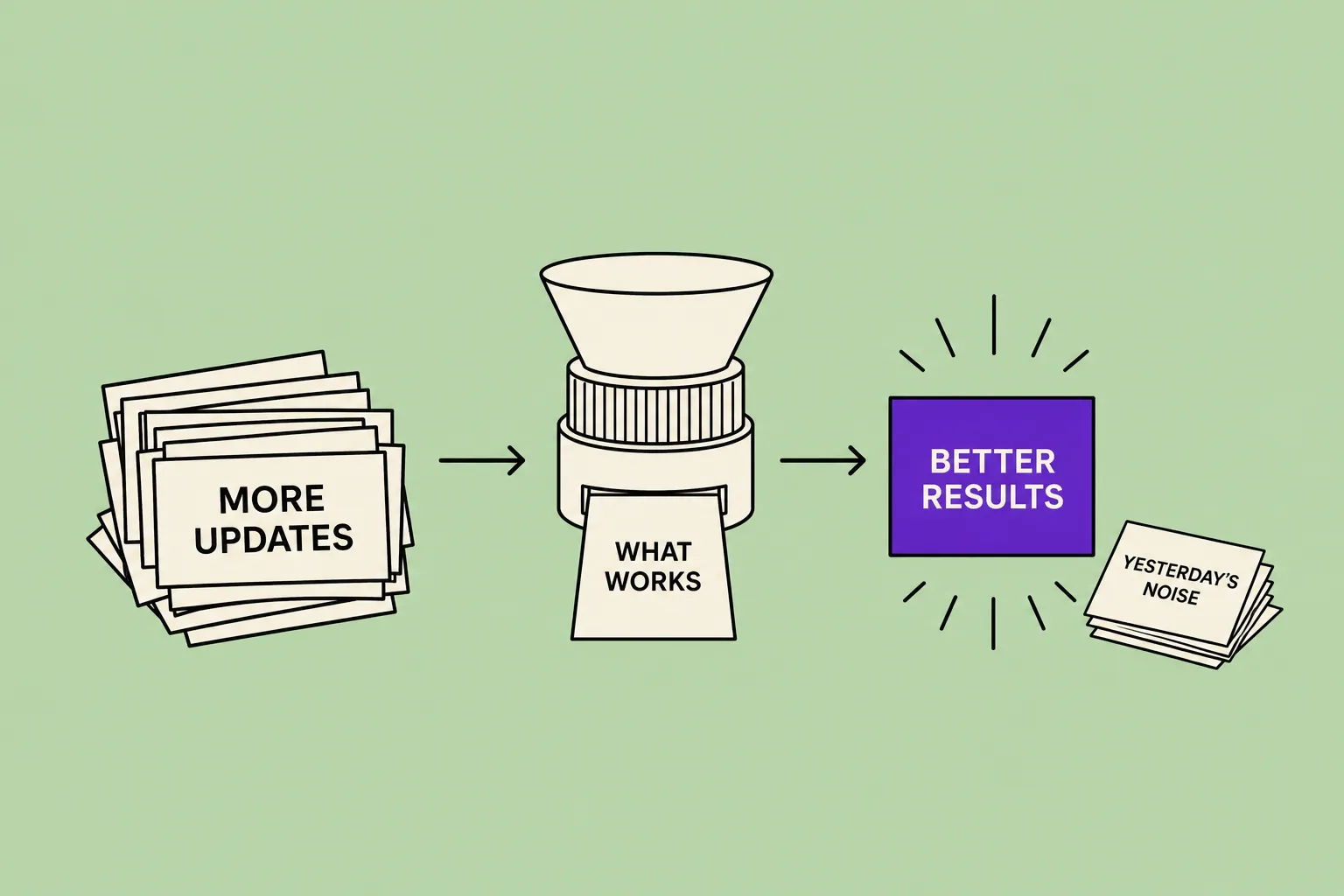
A Google core update is a broad, sitewide change to how Google ranks pages across every type of site, not a targeted penalty. Google describes each release the same way: "a regular update designed to better surface relevant, satisfying content for searchers from all types of sites." The June 2025 core update started on 30 June 2025 and completed on 17 July 2025, running about 16 days.
What changed
This was a longer rollout that Google flagged as slow-moving from the outset. Search Engine Land (owned by Semrush) reported that the June 2025 core update finished rolling out on 17 July after starting on 30 June, with Google noting the rollout might take up to three weeks to complete. In the event it ran roughly 16 days, comfortably inside that window. Search Engine Journal confirmed the update began rolling out on 30 June, citing Google's own status dashboard.
The distinctive feature of this one was recovery, not just loss. During the rollout, some sites reported partial recoveries from earlier updates, including movement for pages that had been hit by previous core and helpful-content changes. As Search Engine Roundtable noted when the update finished rolling out, those recovery accounts came from site owners and trackers rather than from Google, so they are observations of what people saw, not an official statement of impact.
What it means for your firm being found
The June 2025 update is a useful reminder that core updates cut both ways. For an Australian professional-services firm that had lost ground in an earlier rollout, this was one of the first updates in a while where some previously affected sites saw a partial rebound. If your accounting, legal, health or consulting site had slipped in 2023 or 2024, the June 2025 window was worth watching closely, because a genuine improvement made in the interim could finally show up here. UK firms were in the same position, since the rollout was global.
The recovery pattern also reinforces how Google's guidance actually plays out: sites that used the gap between updates to improve are the ones most likely to regain ground, rather than sites that simply waited. And the payoff is now double. Pages that recover their rankings also tend to regain eligibility as sources for AI Overviews and AI answers, so a firm that climbs back in classic results is often climbing back into the AI response at the same time. That matters for high-consideration services, where being named in an AI answer can shape a shortlist before a prospect ever clicks.
What to do now
Revisit the pages that earlier updates hurt and check them for partial recovery. Rather than starting from scratch, pull the service and industry pages that lost ground in previous rollouts and compare their positions before 30 June with where they sat by 17 July. Pages that ticked upward are signalling that your improvements are working, so extend that same treatment to your remaining weak pages. Pages that stayed flat despite edits need a harder look at depth, accuracy and genuine usefulness. An Amina Website Review and SEO Audit can map which of your historically affected pages moved during this update and which are still stuck, so your next round of work targets the content most likely to respond.
FAQ
Some of my old rankings came back during this update. Why?
Some sites reported partial recoveries from earlier updates during the June 2025 rollout. That pattern usually reflects improvements made since the previous update finally being recognised, which is consistent with Google's guidance that recovery often arrives with a later core update.
How long did the June 2025 core update take?
It ran about 16 days, from 30 June to 17 July. Google had said the rollout might take up to three weeks to complete, so the actual timeline finished comfortably inside the window Google set.
If I improved my pages after an earlier hit, when will it show?
Often at the next core update rather than immediately. The June 2025 rollout, where some earlier-affected sites recovered ground, is a practical example of improvements being reflected once a later update re-scores the affected pages.