Most agencies audit the accounts that are struggling. The campaign with the ugly cost-per-acquisition, the client already drafting a break-up email, the line item quietly bleeding budget. The account that's beating its targets gets left alone, because why touch what's working? In August 2026, that instinct runs exactly backwards. Two Google Ads changes land in the same window, and both reward the accounts you're still watching and punish the ones you've stopped watching. One drags your best-performing campaigns back toward targets you entered months ago. The other switches on a data-sharing setting unless you opt out first. This is a checklist for catching both before a client does, written so you can send it under your own brand this week.
Why your best accounts are the ones at risk in August
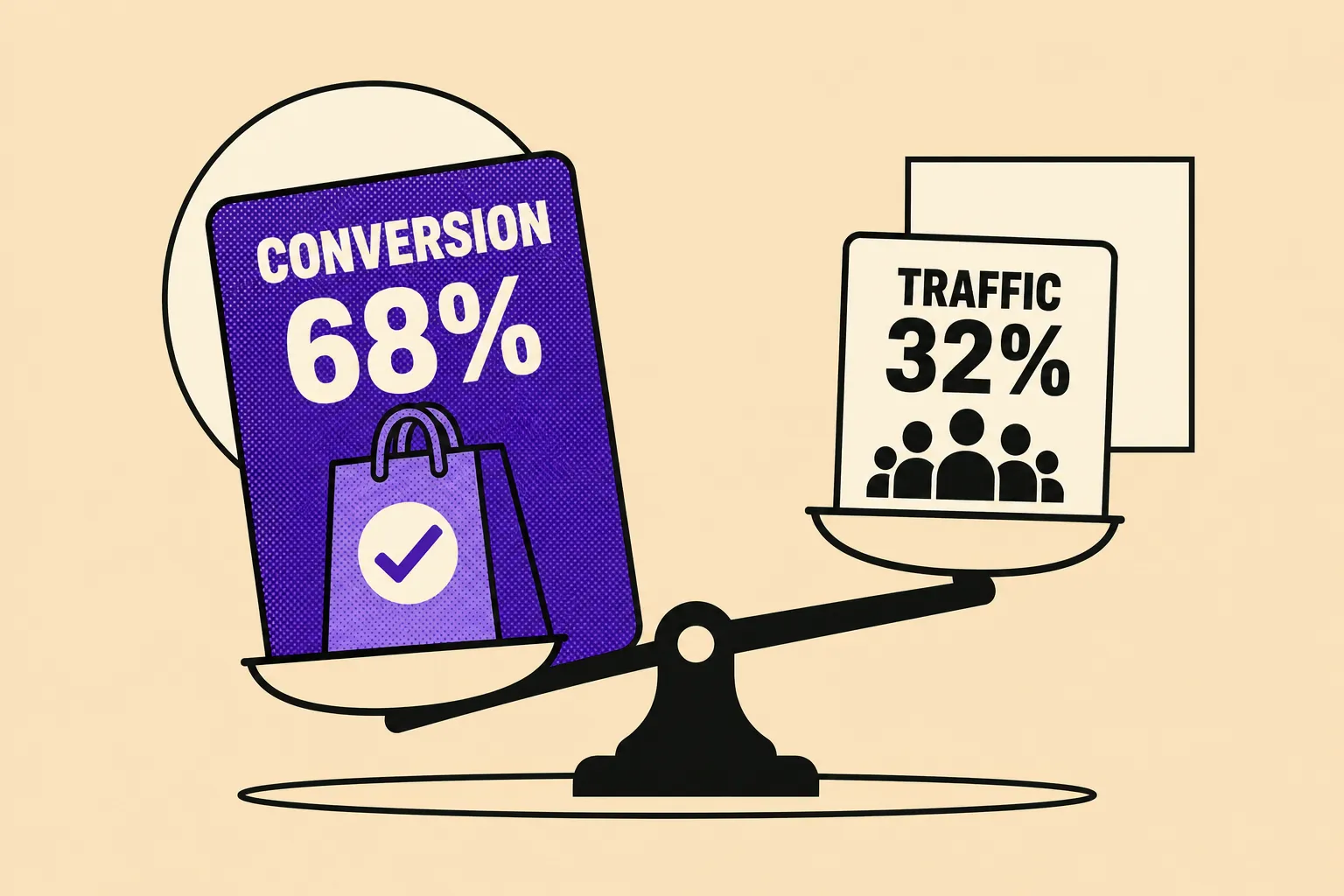
The counterintuitive part is that the change is aimed at the campaigns doing well. Google is adjusting how bidding target optimization works so that budget-limited campaigns "deliver more predictable performance in line with your bidding targets," which means a campaign currently performing better than the target you set is the one most likely to move. According to Search Engine Roundtable's rundown of the June update, campaigns beating their set targets may see performance trend back toward those targets once the system starts optimising more consistently toward the number you entered.
Think of the entered target as a thermostat you set months ago and forgot. You dialled the room to 22 degrees, but a mild season has kept it sitting comfortably at 18. The change is Google deciding to actually heat the room up to the 22 you asked for. The dial hasn't moved. The system's willingness to hit it exactly has.
That's why your winners are exposed and your losers mostly aren't. And it applies to your Australian and UK accounts on the same clock. The rollout carries no stated regional limitation, which means AU and UK managed accounts are affected on the same dates as everyone else, per Search Engine Land's confirmation that this is a global rollout (Search Engine Land is owned by Semrush). No AU/UK reprieve, no separate timeline.
Change 1: bidding target optimisation, and the reset to run before 17 August
The mechanics are worth getting precise, because the fix is a five-minute job if you do it before the date and a client apology if you don't. The changes start rolling out on 17 August 2026 and take a few weeks to complete. Google's own documentation gives the worked example: a Target CPA of $10 running at an actual CPA of $5 will deliver more closely to $10 from 17 August unless you update the target. It spans Search, Shopping, Performance Max, Demand Gen and Travel campaigns, and for Performance Max and Demand Gen you may also see traffic redistribute across channels.
Put that in local terms. An account with an AUD 40 Target CPA that's been quietly converting at AUD 22 will, left untouched, drift up toward AUD 40. That's a near-doubling of cost per acquisition the client never agreed to, arriving as a slow bleed across late August rather than a single obvious spike. The reset is simple: update the target to the recent actual to hold current performance, or set a deliberate new number tied to the client's actual goal.
You'll get warning. Notifications appear in the Google Ads dashboard from as early as 6 July, and a new Bid Target Adjustment Tool becomes available the same day. Treat those notifications as your worklist, not as noise to dismiss.
Change 2: conversion-based customer-list auto-enrolment, and the opt-out window
The second change flips the other direction: a setting turns on unless you turn it off. From 18 August 2026, Google begins automatically making conversion-based customer lists available in accounts that already run both Enhanced Conversions and Customer Match, and the only way to decline is to opt out before the date. Search Engine Land reported the 18 August date and opt-out-before mechanic (again, Semrush-owned), corroborated across other trade write-ups. One caveat worth being straight about with clients: there is no standalone Google Help Center article announcing this, and notification runs through in-account email only, so confirm it inside each affected account rather than citing a Google doc that doesn't exist.
For an AU/UK agency this is a data-governance decision wearing the costume of a performance toggle. Uploading a customer contact list to an ad platform for targeting is precisely the activity the OAIC's direct-marketing guidance under Australian Privacy Principle 7 governs: you can only use that data for direct marketing where the individual would reasonably expect it or has consented, with a simple opt-out always available. So before you leave auto-enrolment on for a client, confirm the underlying list was collected on a consent basis that holds up. UK advertisers face the same consent question under UK GDPR and PECR. The performance upside might be real, but it isn't yours to switch on if the list's consent basis is shaky.
The rest of the update: Smart Bidding Exploration and promotion mode
Two more items shipped in the same announcement, and these read as opportunities rather than traps. Smart Bidding Exploration expanded to all Performance Max campaigns without a product feed, plus a Shopping beta covering Performance Max campaigns with a feed and standard Shopping campaigns. Promotion mode also launched in beta, letting you schedule temporary changes to ROAS tolerance and add extra daily budget during demand spikes, on Search and Performance Max.
Promotion mode is the one to file away for your AU retail clients. Australia runs on distinct, calendar-driven flash-sale spikes: Click Frenzy relaunched in June 2026 under Catch's co-founders with a 1.5-million-address list and an EOFY event, and the big spring and Black Friday windows fall across September to November. Be honest with yourself about timing, though. The June EOFY spike has passed, so promotion mode isn't a play for this week. It's a keep-in-your-back-pocket tool: set it up now for spring and Click Frenzy season, so a peak-week budget change is a scheduled decision rather than a scramble.
The one-page checklist to send clients under your own brand
The value of all this is that you can get ahead of it visibly. So let's turn it into something you can paste into an email and send under your own logo this week.
Before 17 August (bidding target optimisation)
- Pull every budget-limited Search, Shopping, Performance Max, Demand Gen and Travel campaign currently beating its Target CPA or Target ROAS.
- For each, decide whether the entered target still reflects the client's real goal. If the campaign has been over-delivering, reset the target to the recent actual (or a deliberate new number). Don't leave the old one sitting there.
- Watch for the in-account notifications from 6 July and use the Bid Target Adjustment Tool when it appears.
- Note that Performance Max and Demand Gen campaigns may also shift how traffic splits across channels.
Before 18 August (customer-list auto-enrolment)
- Check which accounts run both Enhanced Conversions and Customer Match. Those are the ones that get auto-enrolled.
- Decide, per client, whether conversion-based customer lists should stay on. To decline, disable them in account settings before 18 August.
- Before leaving them on, confirm the underlying list's consent basis holds up (APP 7 in Australia; UK GDPR and PECR in the UK).
For later (promotion mode)
- Flag which clients have a spring or flash-sale spike coming and schedule promotion mode ahead of it.
Key takeaways
- The 17 August bidding target change moves your best accounts, not your worst: campaigns beating their entered Target CPA or ROAS drift back toward it unless you reset the target first.
- Both changes are global rollouts, so AU and UK managed accounts hit the same 17 and 18 August dates with no regional delay.
- Resetting is a five-minute job done before 17 August: update the target to the recent actual to hold performance, or to a deliberate new number.
- The 18 August customer-list auto-enrolment is a consent decision, not just a toggle. Check the list against APP 7 (AU) or UK GDPR and PECR (UK) before leaving it on.
- Promotion mode is a spring and Black Friday tool for AU retail clients, worth setting up ahead of the September-to-November peaks rather than in August.
Frequently asked questions
What are the Google Ads bidding target optimization changes in August 2026?
From 17 August 2026, Google Ads campaigns with fixed budgets deliver more closely to the Target CPA or ROAS you entered, so campaigns currently beating their target may drift back toward it. In-account notifications and a new Bid Target Adjustment Tool appear from 6 July to flag campaigns that need a target reset.
Do the August 2026 Google Ads changes affect Australian and UK accounts?
Yes. Both changes are global rollouts with no stated regional limitation, so AU and UK managed accounts are affected on the same dates: 17 August for bidding target optimisation and 18 August for conversion-based customer-list auto-enrolment.
How do I stop the Target CPA reset from hurting a campaign that's over-performing?
Reset the target before 17 August 2026. If a campaign has been converting below its entered Target CPA, update the target to that recent actual to hold performance, or set a deliberate new number tied to the client's business goal.
What is conversion-based customer-list auto-enrolment and how do I opt out?
From 18 August 2026, Google begins automatically making conversion-based customer lists available in accounts already running both Enhanced Conversions and Customer Match. Opt out by disabling the setting in account settings before that date. Trade reporting notes there is no standalone Google Help Center announcement, so verify inside each affected account.
Is promotion mode worth switching on for the August window?
Not urgently. Promotion mode is built for demand spikes, and Australia's major retail events fall across spring and Black Friday season from September to November, so it is better set up ahead of those peaks than used in August.
Work the checklist across every account without a paid-media bench
If you manage a dozen accounts without a dedicated paid-media or SEO team, August is the kind of month where one missed setting shows up as a client's bad quarter. That's the case for a white-label partner. M2.0 runs wholesale paid-media and SEO retainers behind your brand, and a single-account audit at wholesale is the low-friction way to see the work before you commit anything bigger: we run this exact checklist across one of your accounts, and you send the client the win under your own logo.