At its Config India event, Figma shipped a cluster of design-to-code updates. For a firm that wants its website found, the direction travels further than any single beta.
On 15 October 2026, Figma used its Config India event to announce a group of updates in Figma's own release notes, all pointed at the same job: moving a design into working code with less handoff in between. The headline additions are in beta or preview rather than finished, so treat them as a direction of travel rather than a settled toolset.
Code layers, in open beta, let a designer turn a frame into an interactive, code-backed prototype on the canvas, built from a design, a GitHub repo, a captured website, or a prompt. Figma says creating and editing inside a code layer stays free on paid plans through 4 November 2026. Specs, also in open beta on paid plans, give teams a place to record written intent and technical detail alongside the visuals. Code sources, in closed beta with limited access, let the tool pull from GitHub repos or npm packages so generated components match an existing design system, and guidelines, in open beta, let a published library carry the patterns to follow and the ones to avoid. A preview feature, centralized design systems, bundles libraries, code and guidelines into one place.
Two pieces reach everyone rather than a beta group. Make can now scaffold a Payload backend, the open-source stack with a CMS, database, media storage, APIs, authentication and an admin panel, all hosted by Figma, and it is rolling out across all plans. The Figma MCP server also runs faster and now supports 20 new partners, which lets connected AI tools create code layers, edit specs and generate images. Two days earlier, on 13 October 2026, Figma added Google's Gemini 4 Argon model to the model picker in Figma Make, available on all plans.
A shorter path to code, not a shortcut past the craft
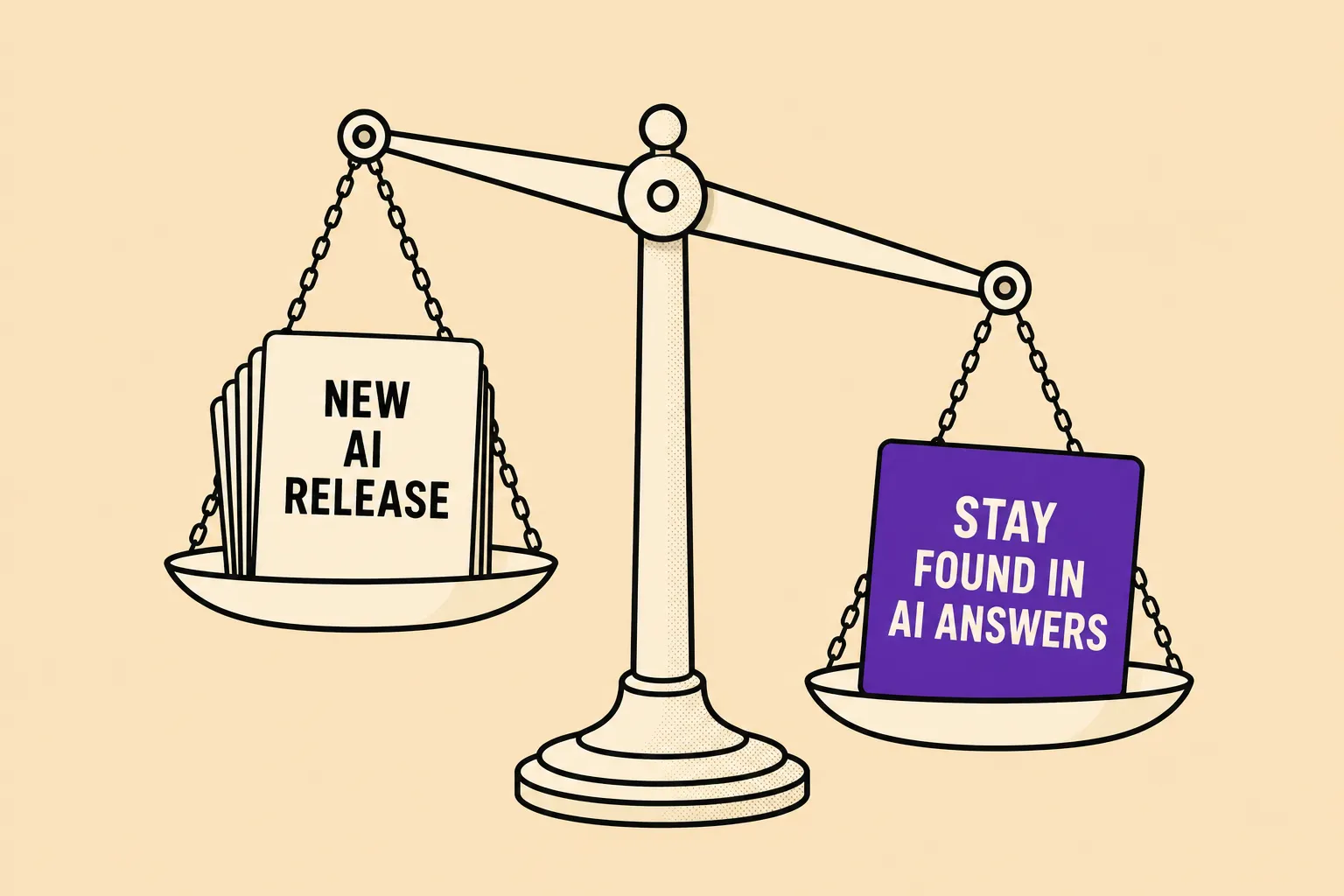
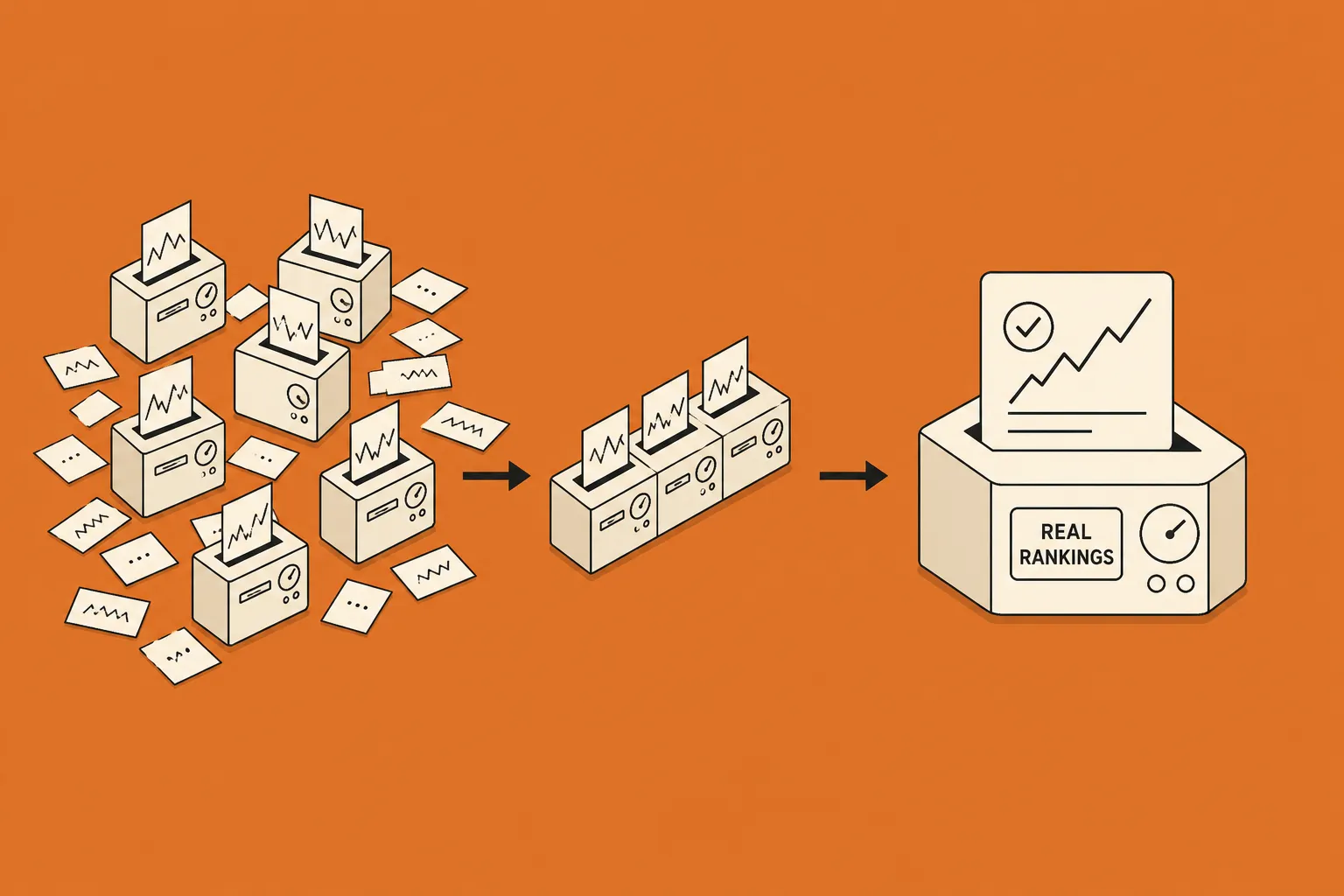
For a professional-services firm, the useful read is not which beta to try first. It is that the distance between a polished design and a shipped, working page keeps shrinking, and the same tools a web partner uses are absorbing more of the build. That is genuinely helpful. It also moves the hard part rather than removing it, because a fast route from design to code still leaves you with code that has to be quick, accessible and legible to the search engines and AI answers that decide whether buyers find you. The pattern with AI-assisted builds is that they relocate failures rather than delete them, and that is the thing to watch as these features leave beta.
None of this is a ranking change, and there is nothing to switch on today. If you have been following Figma's earlier Config 2026 updates, this reads as the same story moving forward: design, code and the systems that govern them drawing into one surface. The practical step stays the same. When a site goes from mockup to live, keep web design and build judgment in the loop so speed never costs you the performance and accessibility that being found depends on.
Frequently asked questions
What did Figma announce at Config India 2026?
At its Config India event on 15 October 2026, Figma announced a cluster of updates in its release notes, all aimed at turning designs into working code with less manual handoff. The set includes code layers, specs, code sources, guidelines, a centralized design systems preview, a faster MCP server, and the ability for Figma Make to scaffold a Payload backend. Most arrived in beta or preview rather than as finished, generally available features.
What are Figma's code layers, and are they free to use?
Figma's code layers, launched in open beta at Config India 2026, let you create an interactive, code-backed prototype on the canvas from a design frame, a GitHub repo, a captured website, or a prompt. Figma says creating and editing within a code layer is free on paid plans through 4 November 2026. Figma has not published the ongoing pricing after that date, so treat the free window as the only confirmed term.
What is the Payload backend in Figma Make?
The Payload backend in Figma Make, announced at Config India 2026, lets Make scaffold a full backend (a CMS, database, media storage, APIs, authentication and an admin panel) hosted by Figma, built on the open-source Payload stack. Figma says it is rolling out across all plans. It is a sign of how much of the build these tools now reach, and it uses the same stack many web teams, Amina included, already work with.
When did Gemini 4 Argon arrive in Figma Make, and who can use it?
Google's Gemini 4 Argon model became selectable in Figma Make's model picker on 13 October 2026, two days before the main Config India announcements. Figma says the model is available on all plans, so any Make user can choose it. Figma listed no separate pricing or beta gate for the option.
What do Figma's design-to-code updates mean for a firm that wants its website found?
For a firm that wants to be found, Figma's Config India updates are a direction rather than a task. They shorten the path from a design to working code, but none of them is a ranking change and there is nothing to switch on. The being-found work is unchanged: when a design becomes a live site, keep the performance, accessibility and clean markup that search engines and AI answers rely on, because a faster build only helps if the result stays easy to find.