New data shows what Google's AI Mode quotes, and what a professional-services firm can do to be the name it picks.
When we looked at Google's AI Mode a few weeks ago, the open question was a practical one: if AI now answers for people before they click, how does a firm get named in that answer? Two analyses published in July 2026, both reported by Search Engine Land (owned by Semrush), start to fill that in. Google announced nothing new. These are observed studies of how the system already behaves, so treat them as strong signals rather than settled rules.
The first, from Pillarbase, examined 15.7 million AI Mode citations across 148 industries over a year. Its headline finding is that AI Mode rarely cites a whole page. It lifts specific passages, and just under half (47.7%) arrive as scroll-to-text highlights, the excerpts Google links you straight to. It also plays favourites. Around 2,300 passages were reused 61 times or more, and one was quoted 661 times across 483 different questions. Get a passage picked, and it can keep earning mentions.
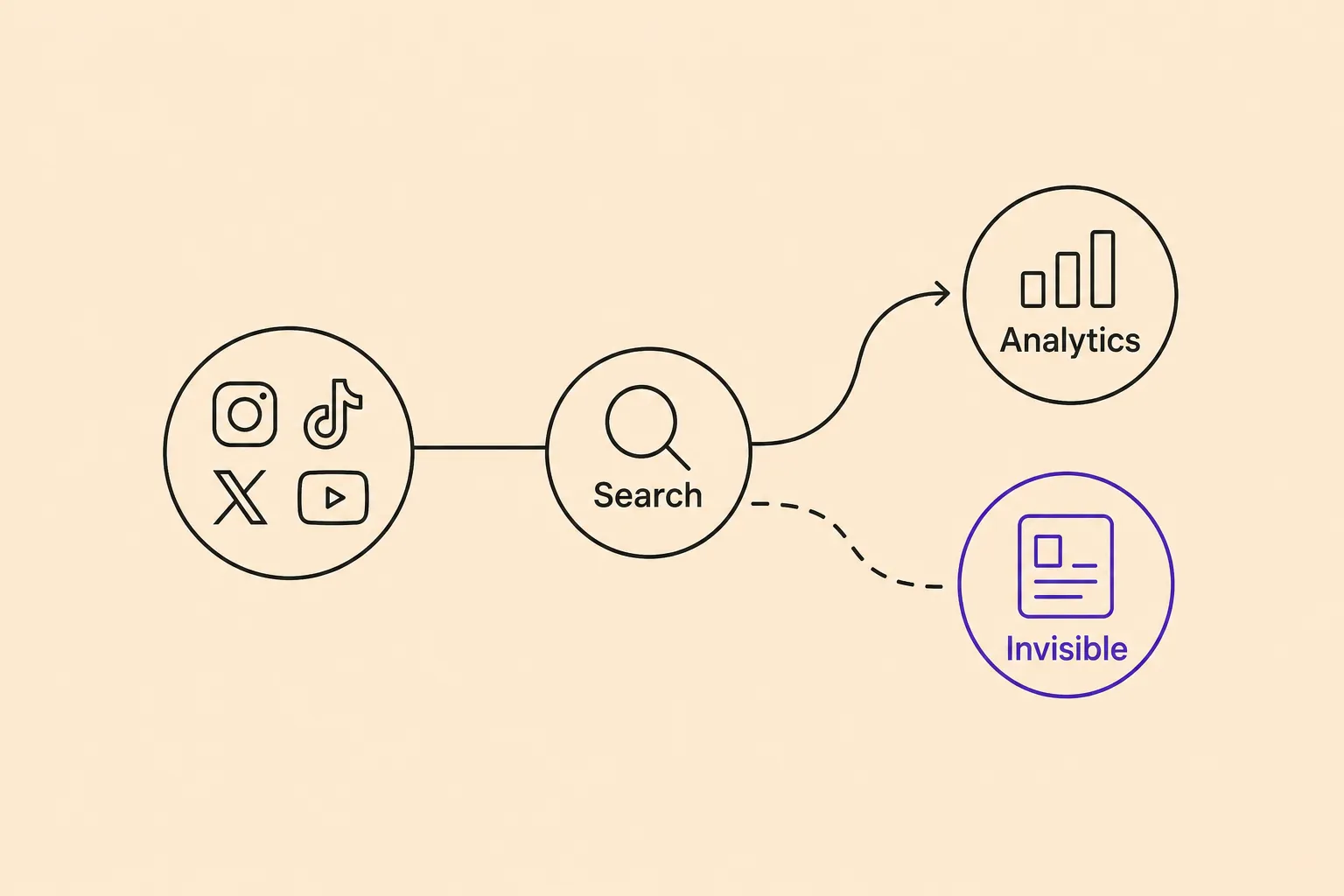
The second, from Profound, tracked where those citations point. Over about two months, Google's citations to its own google.com rose 8.4 times, making it the second most-cited domain in AI Mode. That surge came almost entirely from Google Business Profiles and Product Knowledge Panels, and it was strongest in local-intent categories (hospitality, home services, real estate, healthcare) and in product comparisons.
Two levers you can actually pull
For a firm that wants to be found, this points to two concrete moves, neither of them technical.
The first is to write answers, not just pages. The passages that got quoted shared clear traits: 80% put the answer in the first sentence, 85% stood on their own without surrounding context, and question-led passages were recycled twice as often (48% versus 22%). Pages that earned 21 or more highlighted passages ranked first 67% of the time, so this is not a shortcut around good, authoritative content. It is a way of shaping that content so a machine can quote it cleanly.
The second is to keep your Google Business Profile in good order. The single biggest driver of Google citing itself was its own profile and panel surfaces. For a local or service firm, a complete, accurate Business Profile is now a direct path into the AI answer, not just a map listing.
A measured note before you act on any of this. These are correlations from two vendors rather than a Google rulebook, and the mechanics of being cited by AI (sometimes called AEO or GEO) are still emerging and contested. Nothing here asks you to chase the algorithm. The steady version is the same as it has always been: publish clear, genuinely useful answers, keep your profile honest, and let the visibility follow.
Frequently asked questions
Do I need to change my website right now?
No. Google announced no change and nothing broke. These are observed studies rather than new rules. The practical takeaway is to write clearer, self-contained answers and keep your Google Business Profile accurate, which is good practice regardless.
What does "getting named" in an AI answer actually mean?
Google's AI Mode composes an answer and cites specific passages it pulled from web pages, often as highlighted excerpts. Being named means your passage is one it quotes, which puts your firm in front of someone before they click anything.
Why is a Google Business Profile suddenly so important?
In the Profound data, Google's own Business Profiles and Product Knowledge Panels drove citations to google.com up more than eightfold in about two months. For local and service firms, a complete, accurate profile is now one of the clearest routes into those answers.
Are these findings confirmed by Google?
No. Both come from third-party analyses (Pillarbase and Profound) reported by Search Engine Land, which is owned by Semrush. Google has not confirmed the mechanics. Treat them as well-evidenced observations rather than official guidance.
Is chasing "AI optimisation" worth it for a professional firm?
This space is still emerging, so the honest answer is to be cautious. The moves that help here are the same ones that help in normal search: clear, authoritative content and an accurate profile. You do not need a separate AI strategy to benefit.