Google has added a set of testing and planning tools so you can see what AI Max would do to your paid search results before you scale spend behind it.
On 20 August 2026, Google confirmed three changes to AI Max for Search, the AI-powered version of a Google Ads Search campaign, in a post on its Ads and Commerce blog. All three are about the same thing: letting advertisers trial and forecast AI Max rather than switch it on and hope.
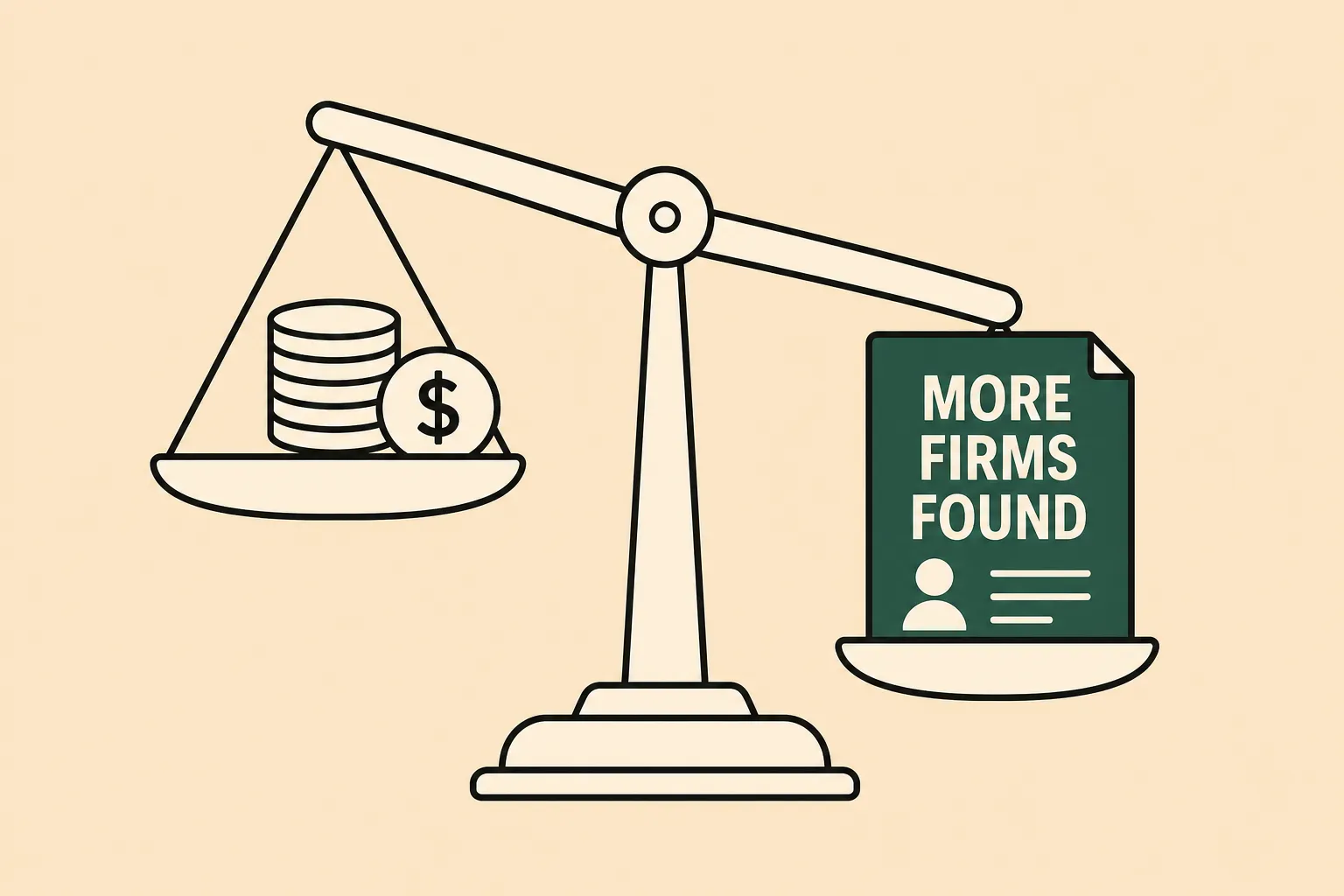
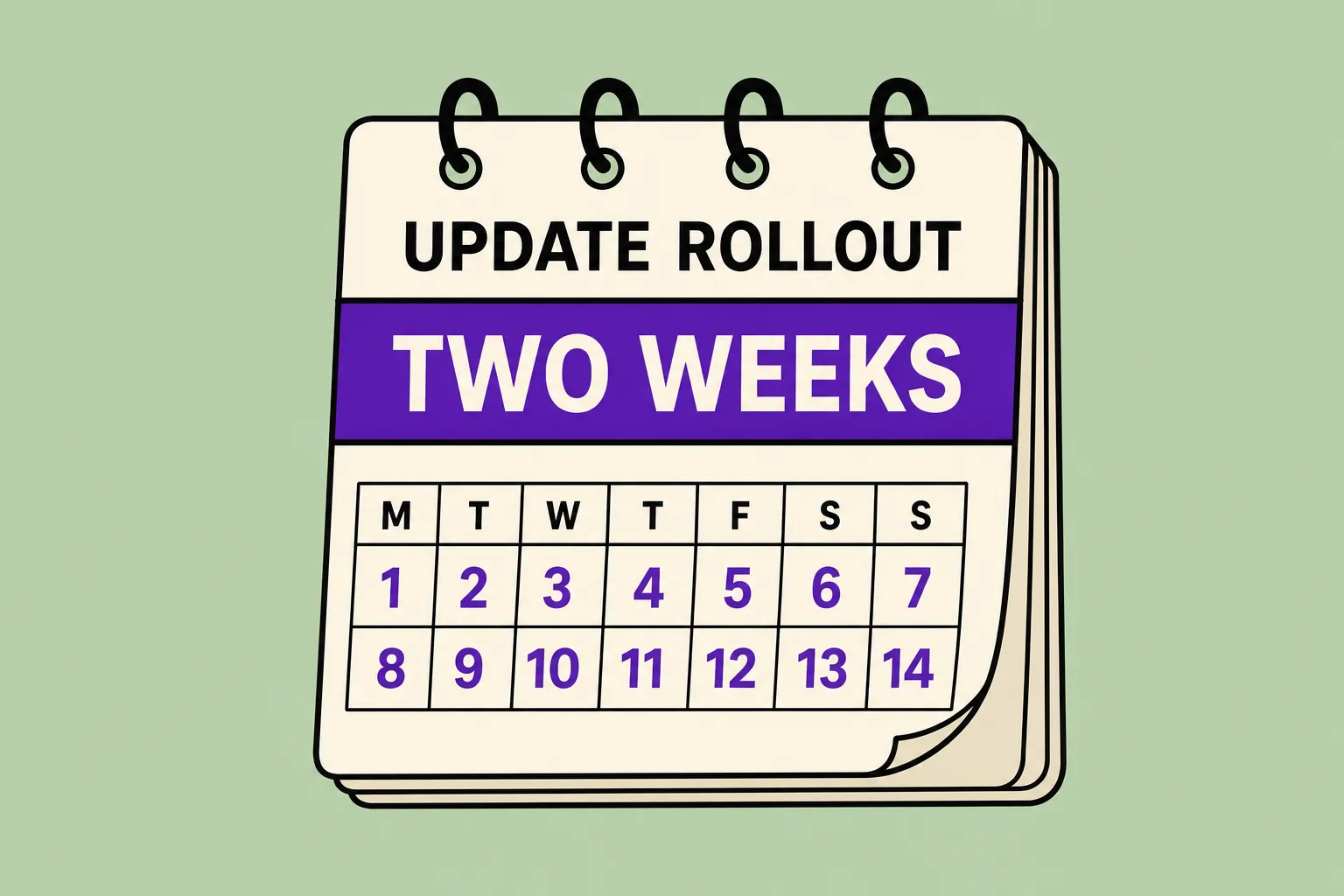
The first change lets you run a single A/B test across several Search campaigns at once, comparing different budgets and ROI targets. Google says it is "rolling out in September" and is meant to show "exactly how scaling up your campaigns impacts your bottom line." The second lets you keep brand and location safety controls switched on while you experiment, so a test no longer means dropping the guardrails that keep your ads on the right terms and in the right places. That capability is described as available now. The third sits inside Performance Planner, which can now preview how a change to bidding or budget targets might affect your existing campaigns and apply a suggested change in one click. That, too, is presented as live.
Why a lower-risk trial matters for paid search
For a firm that wins work through paid search, the useful part is not the feature list. It is that you can now find out what AI Max does to your cost per enquiry before it touches your live spend.
AI Max hands more of the targeting and matching to Google's automation, which is exactly why partners have been cautious about turning it on. Keeping brand and location controls active during a test means you can measure the upside without risking ads showing against a competitor's name or in a city you do not serve. The multi-campaign budget test answers the question that actually decides the spend: if we put more behind this, does the return hold or fade? And the Performance Planner preview lets you model that before committing, rather than reading it in next month's numbers.
This is separate from the forced move that begins on 1 September 2026, when Google starts auto-upgrading certain Search campaigns to AI Max whether or not you opt in. The testing tools give you a way to understand AI Max on your own terms first, so if the upgrade reaches your account you already know how it behaves for your enquiries.
The measured step is small. If you run Search campaigns that matter to your pipeline, use the September budget test on one or two of them, with brand and location controls on, and let the result decide how far you take it.
Frequently asked questions
Do I need to do anything right now?
No. These are optional testing and planning tools, not a change that is applied to your account for you. The budget and ROI testing rolls out in September 2026; the brand and location controls in experiments and the Performance Planner preview are described as available now.
What is AI Max for Search?
It is the AI-powered version of a Google Ads Search campaign, where Google's automation takes on more of the targeting, matching and creative. These new tools let you test and forecast it before you scale spend behind it.
Can I test AI Max without losing my brand and location controls?
Yes. Google says AI Max experiments now let you run tests with brand and location safety settings switched on, so you can measure the impact without dropping those guardrails.
Is this the same as the AI Max auto-upgrade?
No. The auto-upgrade, which begins on 1 September 2026, moves certain Search campaigns onto AI Max automatically. These testing and planning tools are separate and let you trial AI Max on your own terms.
Will this raise my ad spend?
Not by itself. The tools are for testing and forecasting. The multi-campaign A/B test is designed to show how scaling a budget affects your return, so you can decide whether to commit more spend, not so that more is committed for you.