Microsoft is changing how fresh search-ad campaigns get built, and the manual cap on click costs is on its way out.
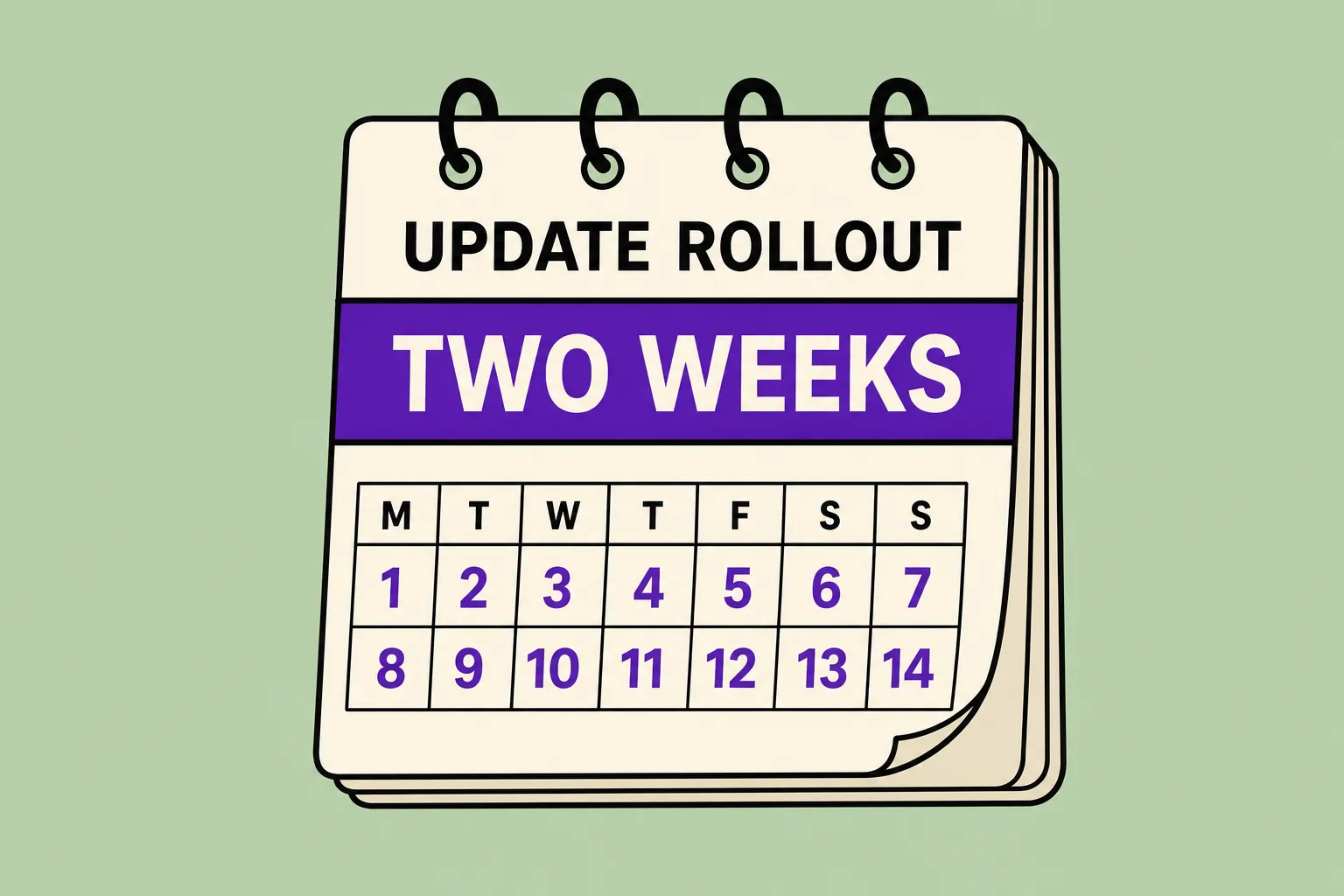
Microsoft is retiring Max CPC on new campaigns. From 1 October 2026, advertisers creating new standalone campaigns on Microsoft Advertising will no longer be able to set a Max CPC, the manual ceiling that limits what you pay for a single click. The removal applies to campaigns that use automated bid strategies: Target CPA, Target ROAS, Maximize Conversions, Maximize Conversion Value, and Maximize Clicks. Microsoft Advertising's product liaison, Navah Hopkins, confirmed the move in a note titled "Updates to Max CPC for new campaigns," and specialist trade titles reported it on 20 August 2026 (Search Engine Land, owned by Semrush). Microsoft has not published a formal changelog page, so the maker's word reaches the market through that post and the trade coverage.
The stated reason is that a manual cap can get in the way of automated bidding, even when the ceiling sits above a campaign's average cost per click, and can throw off how budget paces through the day.
The change is narrower than it first sounds. Existing campaigns and portfolio bid strategies keep the setting: campaigns built before 1 October hold on to their Max CPC, and portfolio strategies keep it for both new and existing campaigns. Target Impression Share and Enhanced CPC are untouched. The removal also arrives in stages, starting with campaign creation in the online interface; the Microsoft Advertising Editor follows at a date not yet announced, and an API update is expected after that.
Being found via Bing leans on the bidding, not the cap
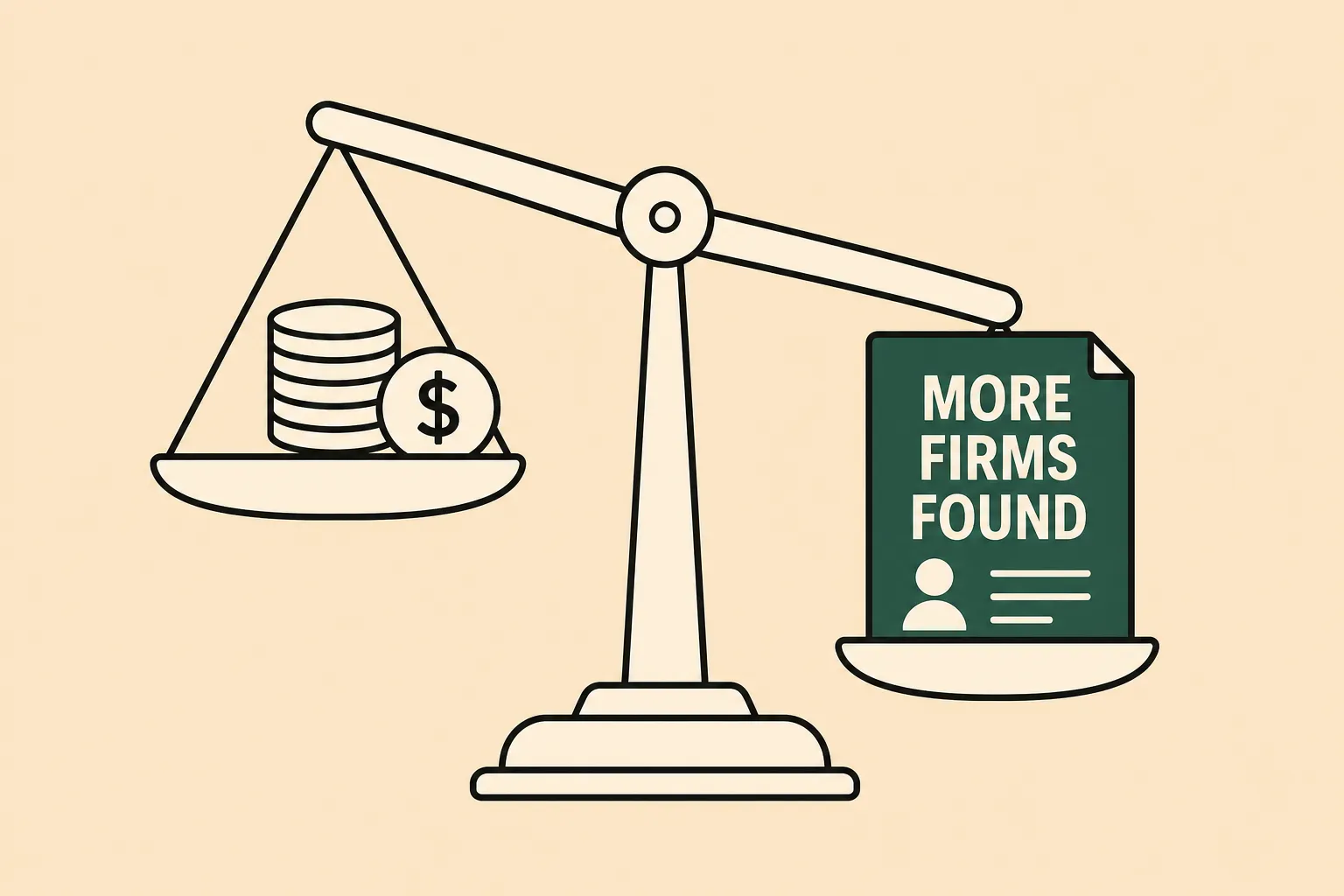
If your firm runs search ads on Microsoft's network to reach the people searching for an accountant, a lawyer, or an adviser, this is a change to how new campaigns are built rather than a new bill to pay. Losing the manual ceiling nudges fresh campaigns toward fully automated, target-based bidding, where you tell the system the cost per lead or the return you want and it manages the per-click price for you.
For most firms that is workable. It does mean the target you set, and the conversion data behind it, carries more weight than it used to. If you have leaned on a Max CPC as a guard against runaway click costs, the equivalent control on new campaigns is a sensible Target CPA and a close read of results in the first few weeks. Existing campaigns need no action, so there is no rush and nothing to switch off before the deadline.
Frequently asked questions
Does this affect my existing Microsoft Ads campaigns?
No. Campaigns created before 1 October 2026 that already use Max CPC keep the setting. The change only applies to new standalone campaigns built on or after that date.
I use a portfolio bid strategy. Am I affected?
No. Portfolio bid strategies keep Max CPC for both new and existing campaigns. The removal only touches new standalone, non-portfolio campaigns that use automated bidding.
Do I need to do anything before 1 October 2026?
For most firms, no. Existing setups continue to work. If you rely on a manual Max CPC ceiling when building new standalone campaigns, brief whoever manages your Microsoft Ads on the shift toward target-based bidding.
Which bid strategies lose the Max CPC option?
Target CPA, Target ROAS, Maximize Conversions, Maximize Conversion Value, and Maximize Clicks, on new standalone campaigns. Target Impression Share and Enhanced CPC are unaffected.
Is this confirmed by Microsoft?
Yes. Microsoft Advertising's product liaison confirmed the change, and several specialist trade titles reported it on 20 August 2026. Microsoft has not yet published a formal blog or changelog page for it.