Google says it will back a shared signal in 2027 so you can state in one place whether AI companies may train on your content.
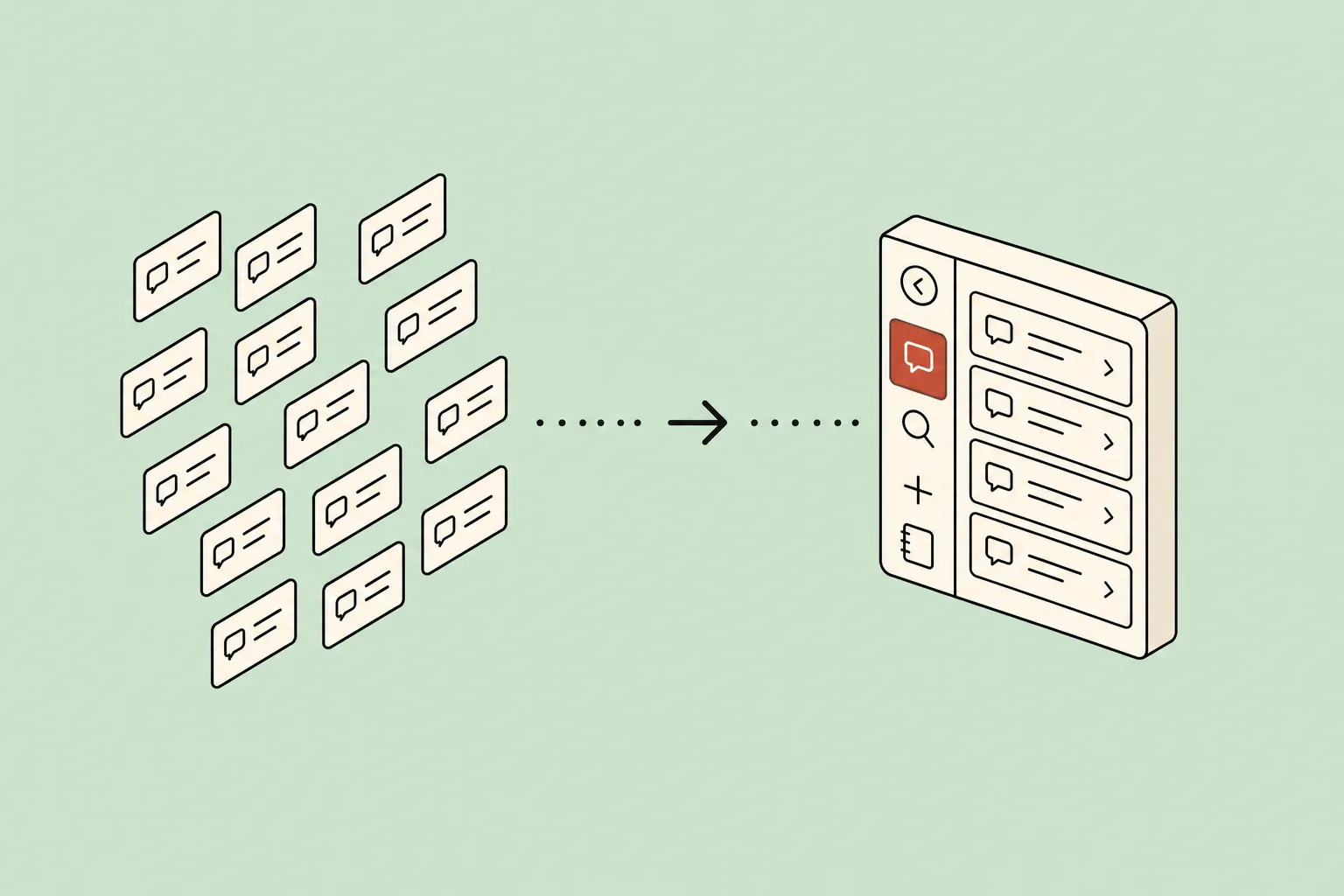
On 30 October 2026, Google said it plans to support a shared signal that lets a website owner state, in one place, whether AI companies may use the site's content to train their models. John Mueller, a Google Search Advocate, set it out on the Google Search Central blog. Today that preference is set company by company, with a separate rule for each AI developer. The new approach collapses those into a single instruction in your site's robots.txt file, the small text file that tells automated visitors what they may do.
Google did not invent the signal. It follows a draft standard from the IETF's AIPREF working group, which Google says it is adopting so the same instruction works across providers that choose to honour it. In Google's words, other AI companies "can handle it similarly."
Two points about timing matter. This is a stated plan, not a live control: Google says it "aim[s] to support this new control along with other AI providers in 2027," so there is nothing to switch on today. And Google's existing company-specific control, Google-Extended, keeps working alongside the new joint signal.
One shared opt-out could also drop you from Google's AI answers
When the shared signal arrives, a single choice will carry further than it does now, so it is worth making deliberately. Google has said that if a site uses the shared token to opt out of training and has not explicitly set Google-Extended, it will treat that as disallowing Google-Extended. Sites that specifically allow Google-Extended stay "eligible to appear in responses and receive clicks via grounding in Gemini Apps."
The being-found read is calm but real. A blanket opt-out from AI training can also pull you out of Google-Extended unless you set that control on purpose. For most professional-services firms the sensible posture is to decide each question separately: what you want on training, and what you want on appearing in AI answers. Opting out without thinking it through can quietly cost visibility, the same trap firms meet with AI Overviews.
Nothing here needs a change before 2027. The practical move now is to know where your content stands with Google's AI answers and Gemini, and to keep doing the work that earns citations: clear, accurate public pages a model can quote. That is the core of getting found in AI answers, and it is untouched by a preference signal that has not shipped.
Frequently asked questions
What did Google announce about AI-training controls on 30 October 2026?
On 30 October 2026, Google said on its Search Central blog that it plans to support a shared, cross-provider signal letting website owners state their AI-training preference once, rather than setting a separate rule for each AI developer. It is a stated plan for 2027, not a feature you can use today, and Google's existing Google-Extended control continues to work alongside it.
How will the AIPREF AI-training signal work in robots.txt?
The AIPREF signal is a single preference token placed in a site's robots.txt file, based on a draft standard from the IETF's AIPREF working group that Google says it will adopt. The IETF draft defines the token as `__usage_ai-training`, used on the User-Agent line of a robots.txt group, so participating AI providers read that one instruction instead of each needing its own rule. Google has not spelled out the exact syntax on its own page, so the token detail comes from the IETF standard it is adopting.
When will Google's shared AI-training signal be available?
Google's shared AI-training signal is not live yet. Google says it aims to support the control, alongside other AI providers, in 2027, so there is nothing to configure now. Until then, the existing company-specific controls, including Google-Extended, remain the way to express an AI-training preference to Google.
Does opting out of AI training affect whether Google-Extended can use my content?
Yes, and this is the detail worth noting. Google has said that if a site uses the shared token to opt out of training and has not explicitly set Google-Extended, Google will treat that as disallowing Google-Extended. Sites that specifically allow Google-Extended stay eligible to appear in responses and receive clicks via grounding in Gemini Apps, so a blanket opt-out and your appearance in Google's AI answers are worth deciding separately.
What should a professional-services firm do about the AI-training signal now?
For a professional-services firm, the AI-training signal is directional, not a task for this week, because it does not arrive until 2027. The useful posture now is to decide deliberately what you want on both training and appearing in AI answers, keep using today's per-provider controls if you want to act, and keep public pages accurate and quotable so AI answers describe your firm correctly. When the shared signal lands, you will set one preference instead of many.