A UK regulator has handed publishers a legal right many firms assumed they would never have: the ability to keep their words out of Google's AI answers without vanishing from search.
What changed
On 3 June 2026 the UK Competition and Markets Authority (CMA) set out new rules that legally require Google to give publishers real control over how their content feeds AI search features. The rules are Conduct Requirements, attached to Google's new Strategic Market Status in general search under the UK's digital markets regime. The details are in the CMA's decision on a fairer deal for publishers.
Three things stand out. Publishers can opt out of their content being used to power AI features in search, such as AI Overviews, which the CMA calls a world first. Publishers can also opt out of their content being used to fine-tune AI models. And where content is used, Google must attribute it properly with clear links.
Google has a nine-month window to comply, and must file compliance reports every six months for the first year. Two weeks later, on 17 June 2026, the CMA added further Conduct Requirements covering fair ranking and data portability. The fair ranking requirement obliges Google to rank organic results, including inside AI and generative features, on objective and non-discriminatory criteria, publish ranking transparency, give advance notice of material changes, and offer publishers a route to raise concerns. Google has six months to implement fair ranking and three months to let users port their search data to authorised third parties. Will Hayter, the CMA's Executive Director for Digital Markets, led the action.
What it means for you
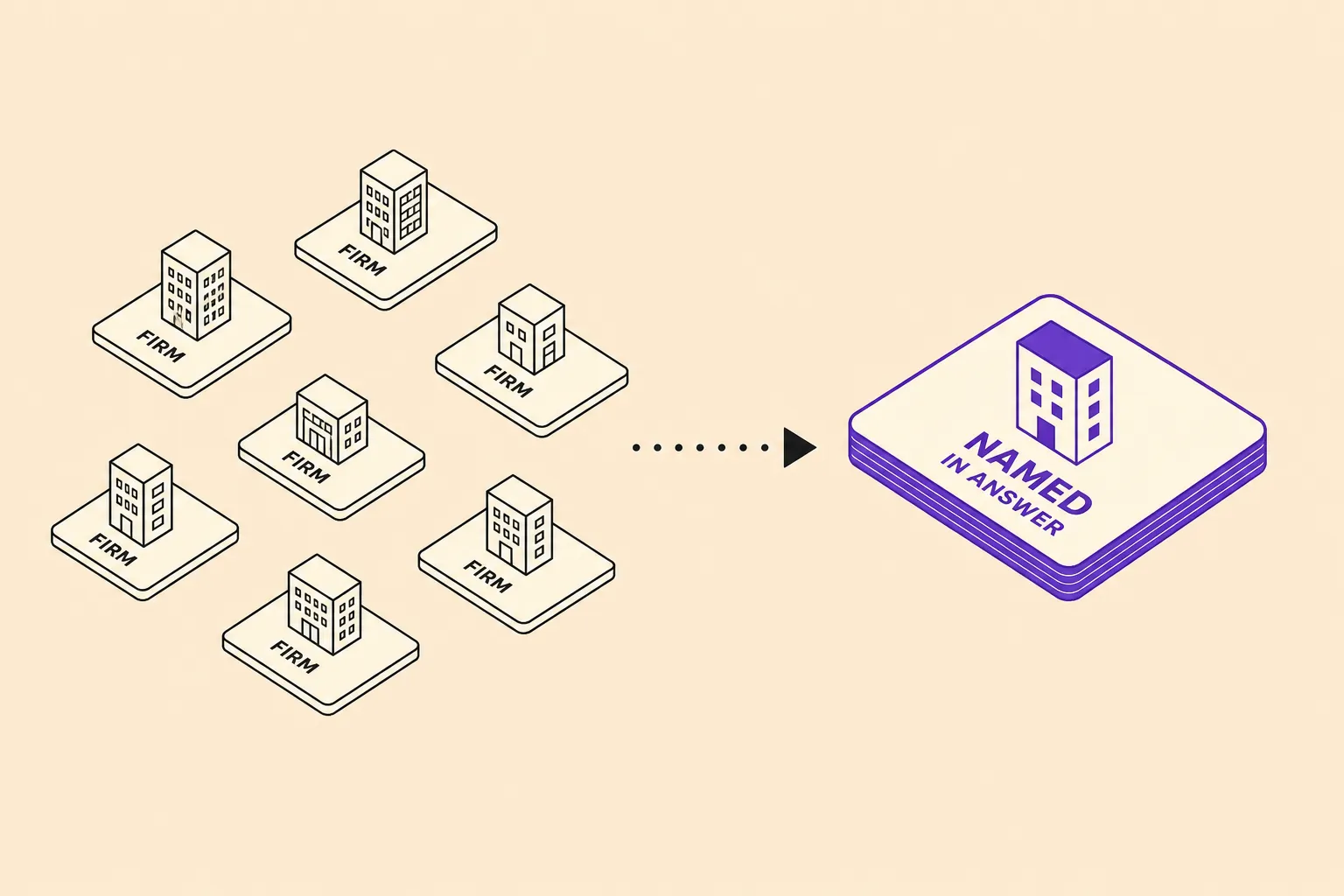
If your firm has a website that shows up in UK search, you now hold something new: a legal right to decide whether Google's AI may draw on your content, without the old trade-off of disappearing from organic results to enforce it. You also gain a right to clearer credit when your content is used, which matters when an AI answer summarises your expertise and a prospective client is deciding who to call.
One honest caveat. The right exists now, but the everyday control does not yet. Google has not confirmed or dated the switch most people expect to appear inside Search Console, and its own Search Central blog carries no such announcement. The nine-month compliance window means the usable control is likely to arrive over the coming months rather than today. So the measured read is this: you have the right to tell Google's AI how to treat your content, and the mechanism to exercise it is still being built.
For Australian firms this is a UK regime, so it does not bind Google here yet. It is worth watching closely anyway. Regulators often follow each other, and if Google chooses to expose the same control globally rather than build a UK-only version, the option could reach your site too. For now, the practical move is patience: there is nothing to switch on, no urgent decision, and no penalty for waiting until the control is live and documented.
Frequently asked questions
Do I need to do anything right now?
No. The right has been established at the regulatory level, but Google has not confirmed a live control or a date for it. There is nothing to switch on today and no deadline for you to meet.
Will opting out hurt my search visibility?
That is the point of the change. The CMA's rule lets publishers opt out of AI features such as AI Overviews without the historic penalty of losing organic ranking, so declining AI use should no longer mean disappearing from ordinary search results.
Does this apply to my Australian business?
Not directly. This is a UK decision that binds Google in the UK. If your site appears in UK search you may benefit, and if Google rolls the control out globally it could reach Australian firms, but there is no Australian mandate yet.
When can I actually use the opt-out?
Google has a nine-month compliance window from 3 June 2026, and the CMA expects important controls to be available to publishers before that deadline. Expect the usable setting to appear over the coming months rather than immediately.
What about being credited when my content is used?
Google is now required to attribute publisher content properly, using clear links, in AI-generated search results. That gives your firm a better chance of being named and clicked when an AI answer draws on your material.